Existing Patients
(501) 753-0166
New Patients
(501) 762-0604


At Mounts Dental Care, we combine advanced materials with thoughtful, patient-centered care to restore smiles that look and function naturally. Our approach to ceramic crowns emphasizes precision, durability, and an aesthetic outcome that complements each patient’s unique features. We stay current with material science and digital workflows so your restoration starts with the strongest possible foundation.
Teeth are remarkably resilient, but they are still vulnerable to decay, fractures, and wear from grinding. When a conventional filling can’t reliably rebuild the tooth’s strength or shape, a crown becomes the preferred way to protect the remaining structure and restore normal chewing function. Ceramic crowns give us an opportunity to meet both restorative and cosmetic goals without relying on metal.
Every treatment plan we propose balances long-term function with the look you want. That means discussing tooth support, bite forces, and smile harmony before selecting the ideal ceramic material. Our objective is simple: return a comfortable, long-lasting tooth that blends seamlessly with your smile.
Receiving a ceramic crown is a predictable, staged process designed to preserve healthy tooth tissue while delivering a precise fit. The first appointment typically focuses on preparing the tooth: removing any compromised material, shaping the tooth to accept a crown, and taking detailed records of your bite and neighboring teeth. These records inform the final design so the crown fits comfortably and functions naturally.
Today’s practices often use digital impressions and CAD/CAM milling to improve accuracy and speed. A digital scan replaces traditional putty impressions in many cases, reducing discomfort and helping the lab (or an in-office milling unit) produce a restoration with excellent fit. If a temporary crown is needed, we place it to protect the prepared tooth while the final crown is being fabricated.
At the second appointment the final ceramic restoration is evaluated, adjusted for bite and contour, and bonded in place with modern adhesive systems. Because ceramics bond well to tooth structure, they provide a stable, long-term solution when properly selected and placed. Aftercare focuses on routine hygiene, avoiding habits that overload the tooth, and attending regular dental examinations.
Not every damaged tooth needs a crown, but when the remaining tooth structure is limited, a crown is the more reliable restorative choice. Fillings restore small to moderate cavities, but when decay, fracture, or prior large restorations weaken the tooth, a full-coverage crown protects what’s left and reduces the risk of future breakage.
Crowns are commonly recommended following root canal therapy, for teeth that serve as bridge abutments, over dental implants, or whenever a tooth requires reinforcement against heavy chewing or clenching forces. In cosmetic situations, crowns can also correct shape, color, and alignment issues that are not manageable with conservative restorations.
Successful outcomes depend on careful assessment of tooth health, root support, and the overall bite. We evaluate each case for signs of infection, the integrity of surrounding teeth, and whether additional treatments—such as periodontal care or a core buildup—are needed before crown placement. Planning is focused on minimizing future problems while maximizing function and appearance.
A crown restores both form and function: it recreates the tooth’s chewing surface and contours while protecting the underlying dentin from further damage. When chosen and executed thoughtfully, a ceramic crown provides a natural-looking, long-lasting result.
To repair and rebuild a tooth with extensive structural damage due to decay or trauma
To replace a large or broken filling
To restore a dental implant
To provide full coverage for the abutment teeth of a dental bridge
To strengthen and protect a tooth that has undergone root canal therapy
To improve the look of an undersized, slightly misaligned, darkly stained, or misshapen tooth
To address bite discrepancies

Ceramic crowns are prized for their lifelike appearance and biocompatibility. Modern ceramics can mimic the way natural enamel transmits and reflects light, producing translucency and texture that match adjacent teeth. Unlike older metal-based options, all-ceramic solutions avoid visible dark margins at the gumline and offer a more natural aesthetic over time.
Material advances have also closed the strength gap between ceramics and metal-ceramic crowns. Contemporary ceramics—especially lithium disilicate and high-quality zirconia—combine attractive optical properties with functional durability, making them suitable for many locations in the mouth when properly selected.
Additionally, ceramic restorations are metal-free, which can be important for patients with sensitivities or those who prefer restorations without any metal components. Their surface resists staining and maintains color stability, helping crowns remain visually consistent with natural teeth for years.
Not all ceramic crowns are identical. The right material depends on the tooth’s position, the amount of force it must withstand, and the cosmetic demands of the smile. Anterior teeth prioritize translucency and subtle shading, while posterior teeth require higher fracture resistance. We evaluate these factors and recommend the best option for your situation.
Common choices include lithium disilicate, which blends strength and excellent aesthetics; pressed porcelains that are highly polishable and color-matching; and various forms of zirconia, which offer exceptional durability and come in increasingly translucent formulations. Each material has trade-offs, and our goal is to match those to the clinical needs and appearance you expect.
Selecting a material also takes into account how much natural tooth remains and whether the restoration will be bonded or cemented conventionally. Bonded ceramic crowns can conserve more tooth structure and provide strong adhesion, while some high-strength ceramics perform best with traditional cementation. We explain these nuances and tailor the plan to preserve healthy tissue while delivering a reliable result.
Lithium Disilicate Porcelain Crowns
Leucite Reinforced Pressable Porcelain Crowns
Solid or Monolithic Zirconia
High Translucent Zirconia.
With several reliable ceramic systems available, choosing the right one is a balance of strength, appearance, and conservation of tooth structure. We guide this choice so the final crown meets functional demands while achieving a pleasing, natural appearance.
A well-made ceramic crown can last many years when supported by sound oral hygiene and routine dental care. Daily brushing and flossing, along with professional cleanings and periodic checkups, keep both the restoration and the surrounding teeth healthy. Early attention to any sensitivity or changes in bite helps prevent complications.
Protective measures such as a nightguard for patients with bruxism (tooth grinding) can extend the life of crowns by reducing excessive wear and stress. Avoiding hard, non-food objects and using teeth only for eating rather than as tools also reduces the risk of chipping or fracture.
If a crown ever becomes loose, painful, or shows obvious damage, prompt evaluation is important. Minor adjustments can often correct bite issues, while more significant concerns may require repair or replacement. Regular clinical exams and digital X-rays help detect problems early and preserve the health of the restored tooth.

Our practice approaches ceramic crown treatment with a focus on individualized planning and aesthetic outcomes. We combine diagnostic imaging, careful tooth preparation, and precise laboratory or in-office milling techniques to ensure each crown fits accurately and looks natural. That attention to detail reduces the need for future adjustments and supports predictable results.
We also emphasize communication: explaining the reasons for a crown, the choices of materials, and the expected steps in treatment so patients feel informed and confident. Restorative work is most successful when it reflects your priorities, whether those are durability, appearance, or preserving tooth structure.
If you’re considering a crown and want to learn whether a ceramic restoration is right for your tooth, our team is ready to evaluate your situation and review the treatment pathway. We tailor every plan to the functional and aesthetic needs of the individual patient while aiming for long-term success.
In summary, ceramic crowns offer a versatile, natural-looking solution for strengthening and restoring damaged teeth. They combine modern materials and techniques to achieve outcomes that protect function and enhance appearance. Contact us to learn more or to schedule an evaluation — we can help you understand your options and map a treatment plan that fits your oral health goals.
While a dental filling is designed to replace a portion of a decayed or damaged tooth, a dental crown offers full coverage to restore the tooth’s entire outer surface. A well-fitting dental crown not only protects and strengthens the underlying tooth structure, but it also restores the tooth’s appearance and function.
The procedure for getting an all-ceramic crown is much like the procedure for getting any other type of crown. In all cases, the tooth needs to be prepared, an impression taken, and a permanent crown cemented into place. A single all-ceramic crown can typically be fabricated over the course of two visits. However, with CAD/CAM technology, a same-day crown can be fabricated from start to finish in a single visit. With the first approach, a temporary crown is typically worn until the second visit, when the permanent restoration is placed. As with every treatment plan, our office will explain your best options in care.
As the name implies, a temporary crown is only worn for a short time until the permanent crown is placed. A temporary crown is typically fabricated from durable tooth-colored dental acrylics. While designed to protect the underlying tooth between appointments, and until your new permanent crown gets placed, a temporary crown is also fabricated to look like a natural tooth and maintain the look of your smile.
While you should feel better having an attractive and functional tooth to restore your smile, your tooth may feel a little sensitive following treatment. This initial sensitivity will subside. We take great care to make sure your new restoration looks great, fits well, and your bite is perfect. However, we’re always happy to make any minor adjustments to ensure your comfort.
With some exceptions, teeth with root canal procedures are typically restored and protected from further damage with a full-coverage crown. Based on what’s best for your smile, our office will recommend the most appropriate restoration to maintain the health and longevity of your tooth following a root canal procedure.
A dental crown is a long-term restoration that, if properly cared for, can serve you well for many years to come. Once your new crown is placed, it requires the same brushing, flossing, and periodic checkups as your natural teeth. Avoid biting your fingernails and chewing on hard or sticky objects such as ice, pencils, or taffy, which can damage or loosen your crown. Remember, clenching and grinding your teeth puts excessive pressure on both natural teeth and dental restorations. Unless treated, this habit can compromise the longevity and integrity of your dental work, including crowns.
Although your new all-ceramic crown restores the tooth's strength, form, and function, you can still develop dental disease in the absence of proper care. To prevent gum disease and tooth decay, it’s essential to brush and floss as instructed and see our office for routine checkups, cleanings, and care.
How long a dental crown lasts depends on various factors, including your level of oral care, diet, and oral habits. While the standard answer is that dental crowns can last anywhere from 5 to 15 years, existing literature confirms that most dental crowns remain in place at 15 to 20 years.
At the office of Mounts Dental Care, we strive to provide the highest quality of care to address all your dental needs. Once we’ve had the opportunity to examine your smile, we can give you a clear picture of any dental issues that are present, along with a quote for how much treatment will be. The cost of dental crowns can vary a little, depending on the type of crown and its location. Our goals are to provide the highest quality of care and help patients begin treatment without additional financial stress or delay. We’re always happy to answer all your questions on dental insurance coverage, available financing, and payment plans.
Coverage for all-ceramic crowns depends on your dental insurance plan. Today, many dental plans provide some level of coverage for all-ceramic crowns. At the office of Mounts Dental Care, we work with patients to optimize their dental benefits and get the care they need to maintain healthy and beautiful smiles!
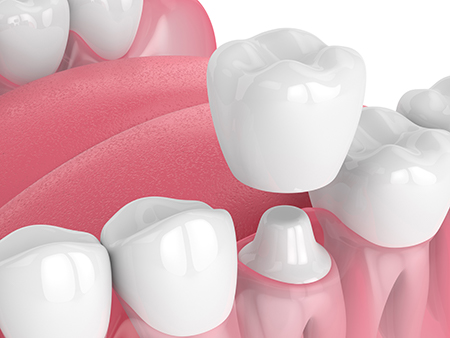
Ceramic crowns are tooth-shaped restorations made from dental ceramics designed to replicate natural enamel. They are custom fabricated to cover the visible portion of a damaged or weakened tooth and restore its form. Modern ceramics mimic the translucency, texture and light-reflecting qualities of real teeth.
A crown protects remaining tooth structure by distributing chewing forces and sealing vulnerable surfaces against decay. Depending on the case, ceramic crowns may be bonded to the tooth or cemented over a prepared core for long-term stability. At Mounts Dental Care we select materials and bonding methods that balance strength and aesthetics for each patient.
A crown is recommended when the tooth has lost significant tooth structure due to decay, fracture or large prior restorations. Fillings are appropriate for small to moderate cavities, but they cannot always restore the strength or shape needed for a heavily damaged tooth. Crowns provide full coverage that reduces the risk of future fracture and restores proper chewing function.
Crowns are also commonly used after root canal therapy, to support bridge abutments, or when a tooth needs cosmetic correction that conservative restorations cannot achieve. We assess root support, periodontal health and bite relationships to determine whether a crown is the most predictable solution. Planning often includes evaluating whether a core buildup or additional periodontal care is needed before crown placement.
Common ceramic systems include lithium disilicate, pressable porcelains reinforced with leucite, and various formulations of zirconia. Lithium disilicate offers a strong balance of translucency and fracture resistance suited for many anterior and select posterior cases. Pressed porcelains provide excellent polishability and color matching for highly aesthetic anterior restorations.
Zirconia ranges from very strong, opaque formulations to newer high-translucency options that better mimic enamel. Material selection depends on the tooth position, how much natural tooth remains, and whether the crown will be bonded or conventionally cemented. We review the trade-offs in strength, appearance and conservation of tooth structure so you understand why a particular material is recommended.
The treatment usually takes place in staged appointments beginning with a comprehensive examination and diagnostic records. During the first visit the tooth is prepared by removing compromised material and shaping the core to receive a crown while preserving as much healthy structure as possible. Digital scans or traditional impressions, along with bite records, are taken to guide the laboratory or in-office milling process.
If a final restoration needs to be fabricated off-site, a temporary crown protects the tooth between visits; in-office CAD/CAM milling can often produce same-day final crowns. At the placement visit the permanent crown is tried in, adjusted for fit and occlusion, and bonded or cemented using modern adhesive systems. Post-placement care includes checking the bite and giving instructions for at-home maintenance and follow-up exams.
Bonded crowns are attached using adhesive resin systems that create a micromechanical and chemical bond to tooth structure, which can conserve tooth tissue and improve fracture resistance for certain ceramics. Conventional cementation uses glass ionomer or resin-modified cements that rely more on mechanical retention and are often chosen for very high-strength ceramic materials. The choice affects preparation design, material selection and the clinical steps we use to ensure a durable result.
Some ceramics achieve superior performance when bonded, while others provide optimal strength when conventionally cemented, so the decision is case specific. We explain the rationale for the chosen technique and how it influences the longevity and maintenance of the restoration. This shared decision-making helps match clinical requirements with patient priorities for function and appearance.
When properly selected and placed, ceramic crowns can provide many years of reliable service and often remain functional for a decade or longer. Longevity depends on the quality of the underlying tooth structure, the type of ceramic used, and how well the restoration is designed to manage biting forces. Regular dental checkups and prompt attention to any changes in sensation or fit also play a major role in long-term success.
Patient habits such as grinding, chewing hard objects, or using teeth as tools increase the risk of chipping or fracture and may shorten the crown's lifespan. Protective measures like a custom nightguard for bruxism and avoiding nonfood items can extend service life significantly. Oral hygiene, gum health and timely care for surrounding teeth and restorative margins are equally important to prevent secondary decay.
Daily brushing with a fluoride toothpaste and regular interdental cleaning with floss or interdental brushes keeps the crown margin and surrounding gums healthy. Maintaining consistent home care reduces the risk of recurrent decay and periodontal problems around the restored tooth. Avoid abrasive toothpastes and aggressive scrubbing that could affect the crown's surface finish over time.
If you have bruxism, wearing a professionally fitted nightguard protects crowns from excessive wear and prevents damaging forces. Steer clear of using your teeth to open packages or bite very hard objects to lower the chance of chips or fractures. Report any loosening, roughness or changes in bite to our office promptly so we can evaluate and correct minor issues before they become larger problems.
Yes, ceramic crowns are commonly used on implant abutments and can also provide full coverage for the abutment teeth in fixed bridges. On implants, the crown is designed to connect to the implant abutment and must account for occlusion, hygiene access and the specific implant system. For bridges, crowns on abutment teeth must be planned to distribute forces evenly and protect the supporting teeth and bone.
Material choice and design differ for implant-supported restorations and bridge abutments because of differences in load transfer and finishing requirements. We coordinate with implant components and laboratory technicians to ensure a precise fit, proper emergence profile and durable connection. Careful planning and maintenance help protect both the restoration and the underlying implant or natural support structures over time.
All-ceramic crowns contain no metal substructure, making them an excellent option for patients concerned about metal sensitivities or allergic reactions. Because ceramics are biocompatible and inert, they are well tolerated by most patients and minimize the risk of soft tissue discoloration at the gumline. If you have a history of reactions to dental metals, we will review material choices and select a fully ceramic system that fits your needs.
Even when metal-free solutions are chosen, we evaluate the entire oral environment to ensure compatibility with existing restorations and prosthetics. In some complex cases, mixed-material approaches are discussed to balance functional demands with biocompatibility concerns. Open communication about any known sensitivities allows us to tailor a safe, effective treatment plan.
Achieving a lifelike match starts with careful shade selection, digital photography and detailed records of the surrounding teeth and smile lines. Laboratory technicians or in-office milling systems use these records to reproduce color gradations, translucency and surface texture that blend with adjacent teeth. Try-in appointments and small adjustments to contour and contact points help refine the final appearance.
Occlusal analysis during planning and at placement ensures the crown fits harmoniously with your bite and does not introduce new high points. Our team at Mounts Dental Care uses diagnostic wax-ups, digital articulators and clinical adjustments to balance function and comfort before final bonding or cementation. This attention to detail reduces the need for future adjustments and supports a natural-feeling restoration you can rely on.