Existing Patients
(501) 753-0166
New Patients
(501) 762-0604


Your dental team always aims to preserve natural teeth whenever possible, but there are times when removal is the safest, most predictable route to protect oral and overall health. Extractions are recommended when a tooth threatens surrounding teeth, supports, or the patient's wellbeing. We prioritize thoughtful evaluation so that removing a tooth is clearly in your best interest, not simply the easiest choice.
At Mounts Dental Care, we combine careful assessment with patient-centered comfort measures to make the process straightforward and as stress-free as possible. Before any treatment recommendation, we review your medical history, current medications, and any factors that could affect healing or anesthesia, so you know precisely why an extraction is advised and what the next steps will be.
Deciding to remove a tooth also opens the conversation about replacement and long-term function. Where appropriate, we discuss restorative options—such as bridges, dentures, or implants—and the sequence of care so you can preserve chewing ability, facial structure, and smile aesthetics after healing.
Some teeth cannot be predictably repaired. For example, when decay has compromised most of the crown and the remaining structure is too weak to retain a restoration, extracting the tooth prevents recurrent infection and pain. Similarly, a complex root fracture or a tooth broken into multiple fragments can leave insufficient material to rebuild a reliable restoration.
Advanced gum (periodontal) disease is another common reason for extraction. As bone and soft tissue that support the tooth deteriorate, teeth can loosen, become a source of chronic infection, and undermine neighboring teeth. In such cases, removing the failing tooth can stop ongoing damage and make subsequent restorative or periodontal treatment more effective.
Other scenarios where extraction may be recommended include retained or misaligned primary teeth that interfere with normal development, impacted wisdom teeth that threaten adjacent roots or cause recurrent problems, and selective removal of teeth to create space as part of an orthodontic treatment plan.

Every extraction begins with a careful clinical exam and imaging to understand tooth anatomy, root form, and surrounding structures. Digital radiographs give us a clear picture of what lies beneath the gum line so we can anticipate complexity, identify nearby nerves or sinuses, and select the safest approach.
We’ll review your full medical history, including any heart, bleeding, or immune conditions and all medications and supplements. This information guides decisions such as whether antibiotic coverage is advisable, if a physician's clearance is needed, or if certain medications should be managed differently before treatment.
Comfort is a primary concern. Local anesthesia reliably numbs the area for most procedures. For patients with anxiety or those facing more involved surgical work, we can discuss supplemental sedation options to promote relaxation and reduce procedural stress.
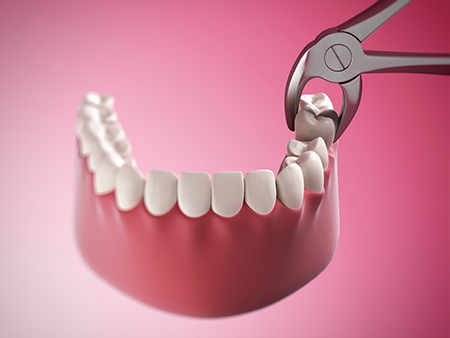
A simple extraction is performed on teeth that are fully erupted and easy to grasp. After administering local anesthesia to block sensation, the dentist gently loosens the tooth with elevators and removes it with forceps. This approach minimizes trauma to the surrounding bone and soft tissues and typically results in a quicker recovery.
Surgical extractions are used when a tooth is broken at the gum line, impacted, ankylosed (fused to bone), or has an unusual root shape. These procedures may require a small incision and limited removal of bone to access and remove tooth fragments safely. When additional surgical expertise is beneficial, we coordinate timely referrals to an oral and maxillofacial surgeon who will perform the procedure with careful attention to healing and preservation of nearby structures.
Whichever technique is needed, we explain the entire process ahead of time, outline any pre-procedure instructions, and review post-operative expectations so you feel informed and prepared.
Good post-operative care encourages predictable healing. Bite gently on gauze as directed to support clot formation in the socket; this is a crucial early step that helps prevent persistent bleeding and protects against dry socket. If bleeding is persistent despite pressure, contact the office for guidance.
Avoid actions that might dislodge the clot—do not use straws, avoid vigorous rinsing or spitting, and refrain from smoking for at least a week. Keep activity light for the first 24–48 hours and follow medication instructions carefully for pain control and, when prescribed, infection prevention.
Diet should be soft and comfortable during the initial recovery period. Warm saltwater rinses can be introduced gently after the first day to refresh the mouth and aid healing; brush nearby teeth carefully while avoiding direct disruption of the surgical site.
Some degree of swelling and mild discomfort is normal, but you should contact the office if you experience heavy bleeding that does not respond to pressure, worsening pain after a few days, increasing swelling, fever, or any unusual symptoms. We provide clear follow-up instructions and schedule post-operative checks when sutures are placed or when monitoring is indicated.
We approach each extraction with respect for the individual patient—balancing clinical judgment with clear communication and compassionate chairside care. Our team emphasizes gentle technique, thorough planning, and follow-through to ensure recovery is as comfortable and efficient as possible. At Mounts Dental Care, we coordinate care with specialists when a case requires advanced surgical skills.
After an extraction, we review options for tooth replacement tailored to your goals and oral health needs. Whether the plan includes a fixed bridge, removable solution, or implant-supported restoration, we explain timing and steps so you can make an informed decision that supports long-term function and appearance.
If you have questions about extractions, surgical options, or recovery, or if you think a tooth may need attention, please contact us for more information and guidance. Our team is here to help you understand your choices and to support a healthy, confident smile.
The most common reasons for tooth loss include advanced periodontal disease, extensive tooth decay, and facial trauma. According to statistics, gum disease is responsible for close to 70% of tooth loss in adults. Although less frequent than the preceding three reasons, it should also be noted that specific diseases, drugs, smoking, and poor nutrition contribute to the risk of tooth loss.
The Centers for Disease Control and Prevention report that in the United States, an average of 12 teeth (including the wisdom teeth) are lost by the age of 50. Also, 26% of adults between 65 and 74 years of age have lost all their teeth.
Every patient and every situation is different. However, when a tooth and the surrounding tissues are numbed with a local anesthetic, you should only expect to feel a bit of pressure, but no pain as the tooth is being loosened from the surrounding tissues and extracted. For patients who are apprehensive and for some surgical extractions, our office will discuss our options in dental sedation to provide further relaxation and reduce any sense of discomfort.
While it's normal to feel some tenderness and swelling following an extraction, the degree of these sensations can vary. It mostly depends on the complexity of the extraction and the body's response to the procedure. We'll recommend or prescribe the appropriate pain medication to help ensure your comfort and give you specific instructions for maximum effectiveness and safety.
Typically, the recovery period following a simple extraction is shorter than a surgical extraction. However, a patient's overall health, habits, the size and location of the tooth, and other variables can influence recovery and healing. To speed up the recovery and avoid any complications, patients must follow the given at-home instructions diligently. We'll carefully review what to expect following your procedure and go over your post-op instructions.
Smoking interferes with blood clot formation, which is an essential first step in the healing process. Blood clot formation not only provides a protective layer to cover the underlying exposed bone and nerve endings, but it also supports the growth of new tissue. Cigarette smoke also contains chemical toxins that can disrupt the healing process and lead to problems such as continued inflammation, infection, or dry socket.
In a very small percentage of cases, a condition known as dry socket can develop in the aftermath of a dental extraction. This painful condition can arise when the blood clot in the extraction site doesn't form properly or gets dislodged. With dry socket, you may experience throbbing pain and symptoms such as bad breath and an unpleasant taste in your mouth. As skilled providers of care, our office will provide immediate treatment to alleviate your discomfort and promote healing.
The last teeth in your mouth to develop, wisdom teeth often do not have enough room to fully erupt or may be positioned in the wrong direction. These issues can affect your dental health as well as overall wellbeing. While some individuals never develop all their wisdom teeth, and a few have sufficient space for them, there are many people with partially or fully impacted third molars. Our office will monitor the development, position, and health of your wisdom teeth and will advise you if and when extractions are indicated.
After a tooth is removed, bone-grafting material is sometimes placed in the socket to promote healing and encourage new bone development. This procedure is often performed to support the eventual and successful placement of a dental implant.
At the office of Mounts Dental Care, we strive to make dental care affordable and accessible. Depending on the type or complexity of the extraction and other variables, the cost of the procedure can vary. Based on our diagnostic findings, our office will inform you of the healthiest choices in care, explain the fees, discuss insurance coverage, and explain your payment options.
Many dental plans offer some level of coverage for tooth extractions. We'll advise you if your plan covers the full cost of the procedure and if there is any out-of-pocket expense. Our business office will work with you to maximize your insurance benefits as much as possible while helping you minimize any out-of-pocket expenses.
Your dental team always aims to preserve natural teeth when possible, but extraction becomes necessary when a tooth poses a risk to surrounding structures or overall health. Common clinical reasons include extensive decay that leaves too little tooth to restore, severe root fractures, or an infection that cannot be controlled by root canal therapy. Advanced periodontal disease that results in significant bone loss or a loose tooth may also make extraction the most predictable option.
Extractions are also recommended for developmental or positional problems such as retained primary teeth that block normal eruption, impacted wisdom teeth that threaten adjacent roots, or selective removals to create space for orthodontic treatment. The decision follows a careful assessment of benefits, risks, and alternatives so you understand why removal is being recommended. When extraction is advised, we discuss how it supports long-term oral health and outline the next steps for replacement if indicated.
A simple extraction is performed on a tooth that is fully erupted and easy to access; after local anesthesia the clinician uses elevators and forceps to loosen and remove the tooth with minimal trauma. This approach typically involves less manipulation of bone and soft tissue and often results in a relatively quick recovery. Simple extractions are common for primary teeth, some premolars, and teeth that have straightforward root anatomy.
Surgical extractions are reserved for teeth that are broken at the gum line, impacted, ankylosed, or have complex root shapes that cannot be removed intact. These procedures may require a small incision, elevation of a flap, or limited bone removal to access and remove tooth fragments safely. When a case requires advanced surgical technique, the team coordinates referrals to an oral and maxillofacial surgeon to ensure the best surgical outcome and healing.
Preparation begins with a comprehensive evaluation that includes a clinical exam, digital radiographs, and a review of your medical history and current medications. This information guides decisions about anesthesia, antibiotic coverage, and whether physician clearance or medication adjustments are needed before the procedure. Clear preoperative instructions help reduce risk and promote a smooth appointment.
For patients receiving sedation, you may be asked to fast for a specific period and arrange for someone to drive you home after the visit. Follow all medication guidance from the dentist and your physician, and disclose any supplements or over-the-counter drugs you take. If you have questions about how to prepare physically or logistically, the office staff will provide tailored instructions ahead of your procedure.
Local anesthesia reliably numbs the treatment area for most extractions, and additional options are available for patients with anxiety or for more involved surgical work. Our Little Rock practice offers nitrous oxide and conscious sedation to promote relaxation while maintaining patient safety and responsiveness during the procedure. These methods are widely used, well understood, and effective when chosen based on a thorough medical assessment.
Safety begins with a complete medical history, appropriate monitoring during the appointment, and post-procedure recovery instructions. The care team reviews any medical conditions or medications that could affect sedation and obtains informed consent before proceeding. With proper evaluation and monitoring, sedation can make the experience more comfortable while maintaining a high standard of safety.
Initial recovery focuses on clot formation, control of bleeding, and managing swelling and discomfort. You will be instructed to bite gently on gauze to support clotting, use cold compresses to minimize swelling, and take prescribed or recommended pain medications as directed. Mild soreness and localized swelling are normal and usually improve steadily over the first few days.
Diet should be soft and easy to chew during early healing, and you should avoid actions that could dislodge the clot, such as using straws, vigorous rinsing, or smoking. After 24 hours you can introduce gentle warm saltwater rinses to keep the area clean, and you should continue routine oral hygiene while avoiding direct trauma to the surgical site. The office will provide specific follow-up instructions and schedule checks when sutures or additional monitoring are needed.
Dry socket occurs when the blood clot that protects the extraction site is lost prematurely, exposing bone and nerves and causing heightened pain. To reduce the risk, follow post-operative instructions closely: avoid smoking, do not use straws, refrain from vigorous rinsing or spitting, and keep activity light for the first 24–48 hours. Maintaining good oral hygiene around—but not directly on—the extraction site also helps prevent infection.
If you notice severe pain that starts a few days after the procedure, persistent heavy bleeding, fever, or increasing swelling, contact the office promptly for evaluation. Early assessment allows the clinician to treat complications efficiently, whether that means placing medicated dressings, prescribing medications, or arranging for additional care. Timely communication with your dental team is the best safeguard against prolonged problems.
Replacing an extracted tooth is important when it affects chewing function, neighboring teeth, or facial support; timing depends on the site, healing, and your overall treatment plan. In many cases, clinicians allow initial soft-tissue healing before placing a long-term restoration, although immediate replacement can be an option in select situations. The decision accounts for bone quality, nearby teeth, aesthetic needs, and whether additional procedures such as grafting are required.
Common replacement options include fixed bridges, removable partial dentures, and implant-supported restorations, each with distinct benefits and sequencing considerations. Implants often require a period of healing and possible bone grafting before placement, while bridges and dentures may be used once the site is stable. Your dentist will discuss the timeline and coordination of care so you understand how each option preserves function and appearance over the long term.
Wisdom teeth are not always removed; many patients retain them without issue when they erupt fully and align properly. Removal is commonly recommended when they are impacted, cause recurrent infections, damage adjacent teeth, contribute to orthodontic crowding, or form cysts. Impacted wisdom teeth may be partially covered by gum tissue, which can trap bacteria and lead to chronic problems that are difficult to resolve without extraction.
Evaluation of wisdom teeth includes clinical examination and radiographs to determine position, root anatomy, and proximity to nerves or sinuses. If removal is advised, the dentist or an oral surgeon will explain the expected recovery course, potential risks, and any special precautions. Proactive management can prevent future complications and preserve the health of adjacent teeth and gum tissues.
Yes; selective tooth extractions can be an important component of orthodontic treatment when creating space is necessary to achieve proper alignment and occlusion. In some cases, removing a tooth is preferable to excessive expansion or compromising facial balance, and decisions are made collaboratively between the dentist, orthodontist, and patient. Retained primary teeth that interfere with eruption patterns may also be removed to allow normal development.
Timing is coordinated carefully so that extractions support the orthodontic plan and minimize disruption to treatment goals. Clear communication ensures that restorative needs, bite function, and aesthetic concerns are considered alongside tooth movement objectives. When extraction is part of a larger plan, the team outlines the sequence, follow-up, and any additional restorative steps that will be needed after orthodontic treatment.
The practice approach emphasizes careful assessment, clear communication, and personalized treatment planning from evaluation through recovery. Your appointment will include a review of radiographs and medical history, a discussion of anesthesia or sedation options, and step-by-step instructions for the procedure and aftercare. When complex surgical skills are required, the team coordinates timely referrals to specialists to ensure optimal outcomes.
Mounts Dental Care and the clinical team prioritize follow-up and restorative planning so you leave with a clear path forward after an extraction. Whether the plan involves monitoring healing, placing a temporary prosthesis, or proceeding with implants or a bridge, we explain the sequence and expected milestones so you can make informed decisions about your oral health. If you have concerns at any point, the office in Little Rock is available to provide guidance and arrange timely evaluations.